
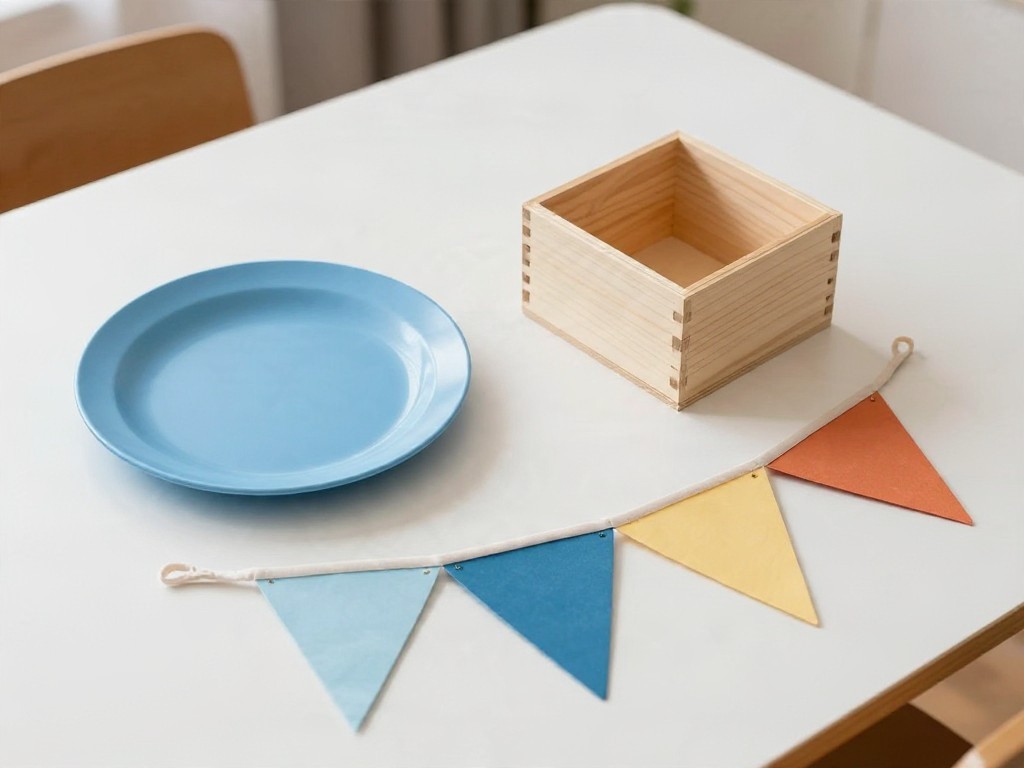
An indoor color and shape scavenger hunt turns a familiar room into a game of spotting colors and shapes without touching or moving things. The adult picks one safe room, sets a few simple rules, and calls out spoken clues like “something blue” or “a round object.” Kids point to what they find, so fragile or high-up items stay put. This guide explains how to run the hunt, from boundaries to a drawing round and a quick reset.
Set boundaries for the indoor color and shape scavenger hunt
Before you call out the first clue, choose one room or a small connected area for the indoor color and shape scavenger hunt. An adult should pick the space and stay nearby to supervise. Clear obvious hazards like loose cords or breakable items from the play path, and decide which objects are off-limits.
The core rule is pointing, not gathering. Kids find a match and point to it, so books, cushions, and decorations stay where they are. Pointing lets everyone join in while leaving the room as it is. No climbing on furniture, no running between rooms, and no reaching onto high shelves. If a child spots something up high, they can point and describe it instead of touching it.
Agree on a signal for “found it” — a raised hand or a quiet call — so the game stays calm. You can also set a soft time limit, like five or ten minutes per round, to keep attention fresh. The goal is spotting and naming, not collecting.
For a related quiet activity after the hunt, the build a robot printable gives kids a separate color-and-cut project.
Tips
- Choose one room or a small area and walk through it together before starting.
- Keep the pointing rule firm: no picking up, climbing, or running.
- Have an adult supervise the whole hunt.
Call out a color round
Start with colors because they are easy to spot and name. Call out one color at a time — “Find something blue” — and let kids point to a match. You can use the color prompts from the LA County Library indoor scavenger hunt as spoken clues; no printed list is needed. Keep the clues simple and repeat them if needed.
Work through a few common colors: red, blue, yellow, green, and maybe orange or purple. For each color, ask for one or two finds. If a child struggles, narrow the search: “Look near the bookshelf” or “Check something soft.” This keeps the game moving without giving away the answer.
After a few colors, switch to a variation: “Find two things that are the same color.” This encourages looking more closely and comparing. You can also ask kids to name the color they found as an optional speaking prompt.
Keep the pace brisk. A color round might last three to five minutes. If interest drops, move to shapes or take a break. The point is playful spotting, not a test.
Tips
- Call one color at a time and let kids point to a match.
- If a child is stuck, offer a location hint rather than the answer.
- Try “find two things the same color” to extend the round.
Try shapes you can spot without picking things up
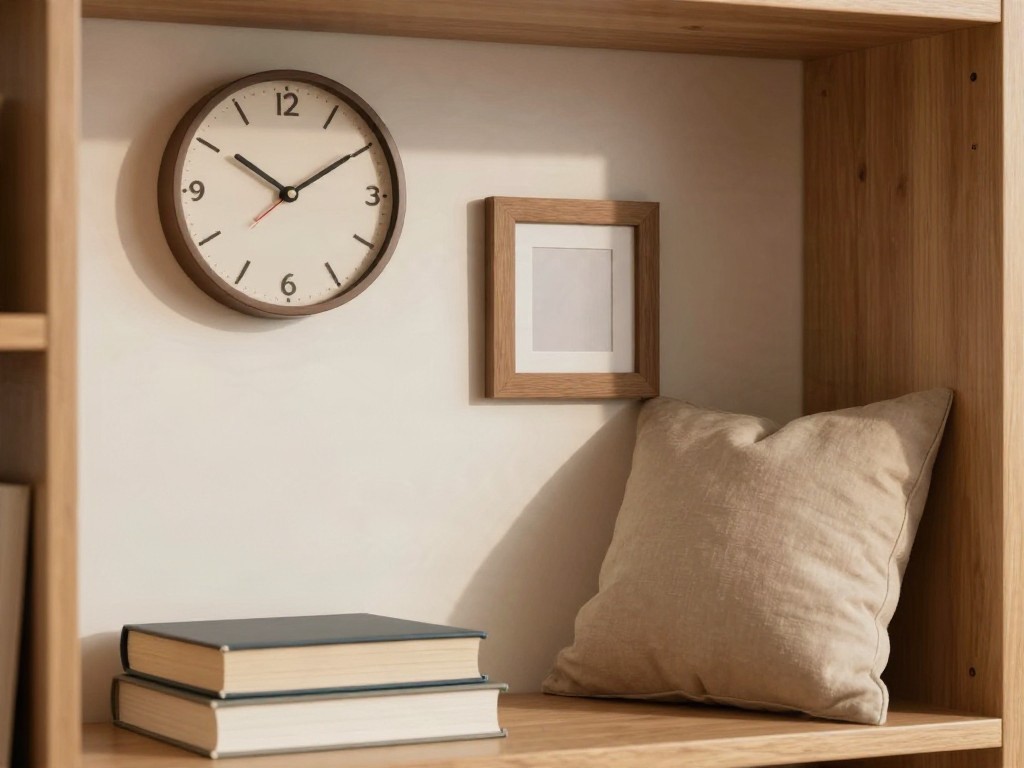
Shapes are everywhere once you start looking. Call out a shape — “Find a circle” — and have kids point to something round, like a clock, a plate, or a cushion button. The PBS KIDS shape hunt suggests looking for shapes in familiar objects around the house, and that works well indoors.
Start with easy shapes: circle, square, rectangle, and triangle. For each shape, ask for one or two examples. Books, picture frames, cushions, and boxes are good places to look. Remind kids to point, not pick up. If they spot a shape on something fragile, they can describe where it is instead of touching it.
To add variety, ask for a shape in a specific color: “Find something round and red.” This combines two attributes and makes the search more interesting. You can also offer an optional variation where kids trace the shape in the air with a finger.
Keep the round short — about five minutes — and praise effort rather than speed. The goal is observation, not competition.
Tips
- Name one shape at a time and ask for a point.
- Combine shape and color for a harder clue.
- For a movement round, invite kids to trace the shape in the air.
Use a drawing round and finish by resetting the room
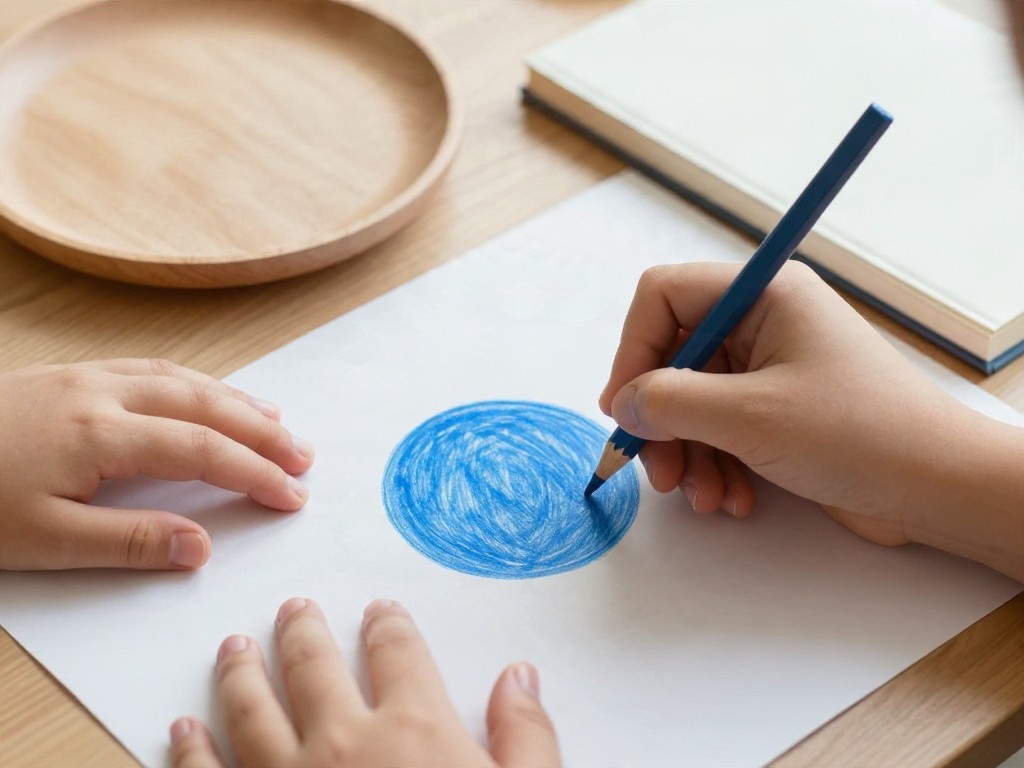
A drawing round lets kids record what they found. Hand out blank paper and colored pencils or crayons. Ask each child to draw one shape they spotted and color it to match the object. For example, they might draw a round blue cushion or a square brown box. The PBS KIDS shape hunt notes that a drawing can record a found shape, so this step connects the hunt to a quiet creative activity.
Give a few minutes to draw, then let kids show their drawings and name the shape and color. This gives a chance to review the activity without any pressure. If time allows, they can draw two or three finds.
When the drawing round is done, finish with a quick reset. Since the rule was pointing, not gathering, there should be little to put away. Walk through the room together and return any drawing supplies to their spot. End with a tidy-up so the space is left as it was found.
For a separate coloring activity, the build a reindeer printable offers color and outline sheets that can extend the fun. And if your child enjoys seasonal crafts, the build a Santa printable is a color, cut, and paste activity.
Materials
- Blank paper
- Colored pencils or crayons
Steps
- Give each child a sheet of blank paper and drawing supplies.
- Ask them to draw one shape they found and color it to match.
- Let each child show their drawing and name the shape and color.
- Walk through the room together and put away any supplies.
Tips
- Keep the drawing round short — five minutes is plenty.
- Praise the observation, not the artistic result.
- Use the reset as a calm ending to the game.