
Styled project images are AI-generated concepts, not photographs of projects we completed. These are proposed ways to make or arrange the ideas; no physical project testing is claimed. Printable previews show the actual downloadable files.
When planning easy fall crafts for toddlers with leaves, stars, and flowers, it helps to start with a clear visual idea rather than a complicated set of steps. The six concepts below use familiar fall motifs and simple actions like layering, arranging, and decorating, so toddlers can explore at their own pace while adults keep an eye on the process. Each idea is presented as a visual direction, not a finished project or a promise of a certain outcome.
1. Layered Leaf Window
Gather: large paper leaves, clear adhesive film, adult scissors.
- An adult prepares film on a flat surface; the child places large leaves. The adult covers and trims the film for a secured display.
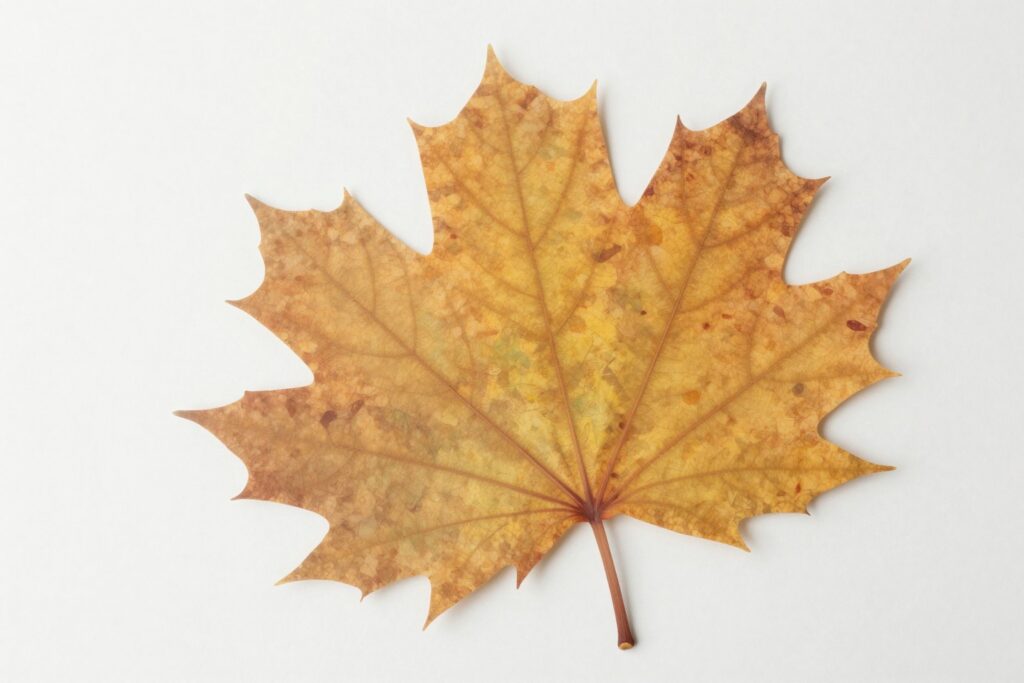
This concept shows a large leaf silhouette filled with overlapping translucent autumn tones. The visual choice emphasizes light-catching layers and an easy-to-read seasonal shape, so the leaf can glow when placed near a window without requiring precise cutting or assembly.
It fits best when you want a calm, color-focused activity that highlights the changing palette of fall. The layered effect invites toddlers to press and arrange pieces on a sticky surface, while the large silhouette keeps the overall shape recognizable even if the arrangement is loose.
2. Leaf Vein Texture Gallery
Gather: paper, a leaf prepared by an adult, large crayon.
- An adult holds the leaf beneath the paper while the child rubs with the side of a crayon. Use a paper-texture alternative if loose leaves are unsuitable.
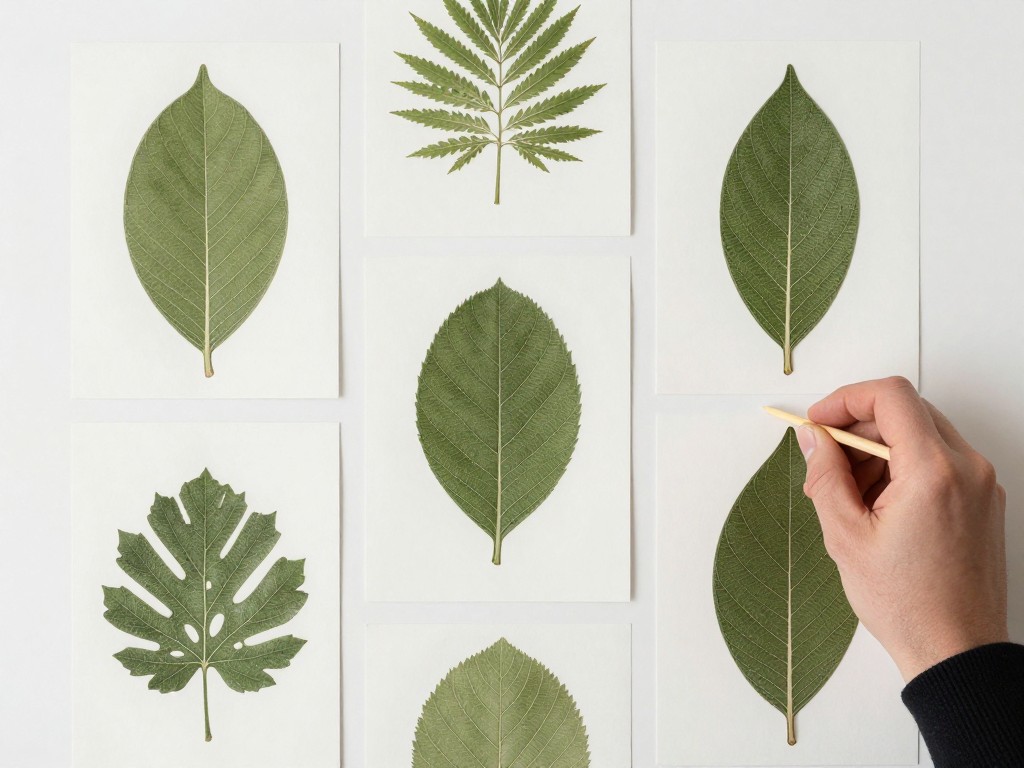
Here, several leaf impressions are arranged like a small gallery, with each one showing natural lines and varied shapes. The concept focuses on texture and pattern rather than a single polished result, so the gallery wall becomes a collection of marks and rubbings made with leaves.
This direction works well when you want to encourage observation and repeated mark-making. It can be a quiet table activity where toddlers experiment with different leaves and see how the veins appear, then decide how to arrange the finished impressions side by side.
3. Midnight Star Scatter
Gather: dark paper, large paper stars, glue intended for the child’s age.
- Offer a few large stars at a time and let the child choose their places. Help with glue only as needed.
This concept places bright stars across a dark autumn sky, creating a high-contrast scene. The visual choice centers on free placement and imaginative pattern-making, so the stars can be scattered or clustered without a predetermined design.
It fits moments when you want a bold, night-sky feel with simple materials. Toddlers can dab or place star shapes on a dark background, and the contrast makes each addition visible, which can help sustain attention on the activity.
4. Starry Leaf Canopy
Gather: paper backing, large paper leaves and stars, suitable glue.
- Keep the entire design on a flat sheet for the child to arrange. An adult displays it; no hanging cord is part of the toddler’s activity.
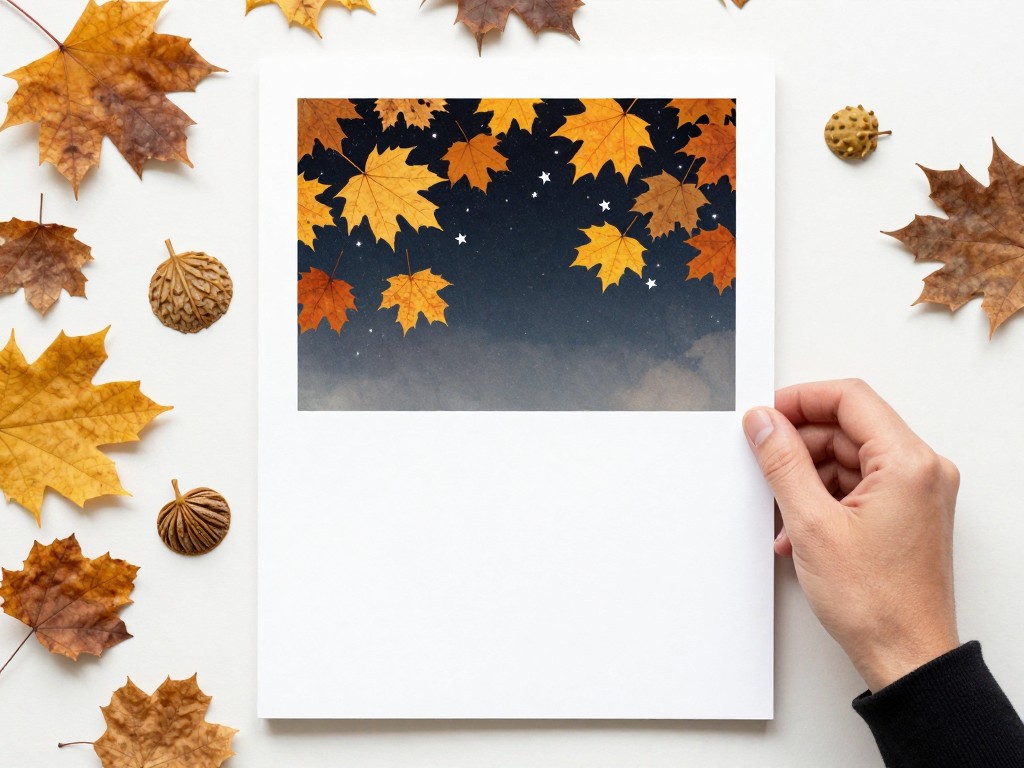
This idea combines small stars with oversized falling leaves, mixing a fall scene with a night-sky motif. The visual choice is a layered canopy where leaves and stars share the same space, inviting toddlers to decide how the two elements overlap and drift.
It works well when you want to move beyond a single motif and explore a combined seasonal scene. The mix of large leaf shapes and smaller stars offers varied scale, so the arrangement can feel dynamic while still relying on simple, familiar forms.
5. Petal Face Parade
Gather: paper circles, large paper petal shapes, crayon, suitable glue.
- Draw a face on a circle and place large petals around it. Use paper parts rather than loose flower pieces when needed.
This concept shows flowers with different central expressions and arrangements, turning simple petals into playful personalities. The visual choice is character-led, with each flower face offering a different mood or look, so the parade becomes a row of small characters rather than a single flower.
It fits when you want to encourage storytelling and choice-making through art. Toddlers can arrange petals and then add features in the center, while the parade format lets several flowers sit side by side and show a range of expressions.
6. Autumn Flower Mosaic
Gather: backing paper, large colored paper shapes, suitable glue.
- Offer a few large shapes and let the child build a cluster. Treat it as open-ended placing, not a required finished adult design.
This concept assembles flowers from bold, simple color blocks, focusing on color grouping and repeating petals. The visual choice is cheerful and graphic, with each flower built from distinct shapes that can be arranged and rearranged before anything is fixed in place.
It works well as a decorative arranging activity where toddlers can sort colors and build flowers from the center outward. The mosaic approach keeps the focus on pattern and color relationships, so the result can feel like a seasonal display without needing detailed assembly.
Related next step: choose a printable leaf activity card; or download the three fall coloring sheets.