
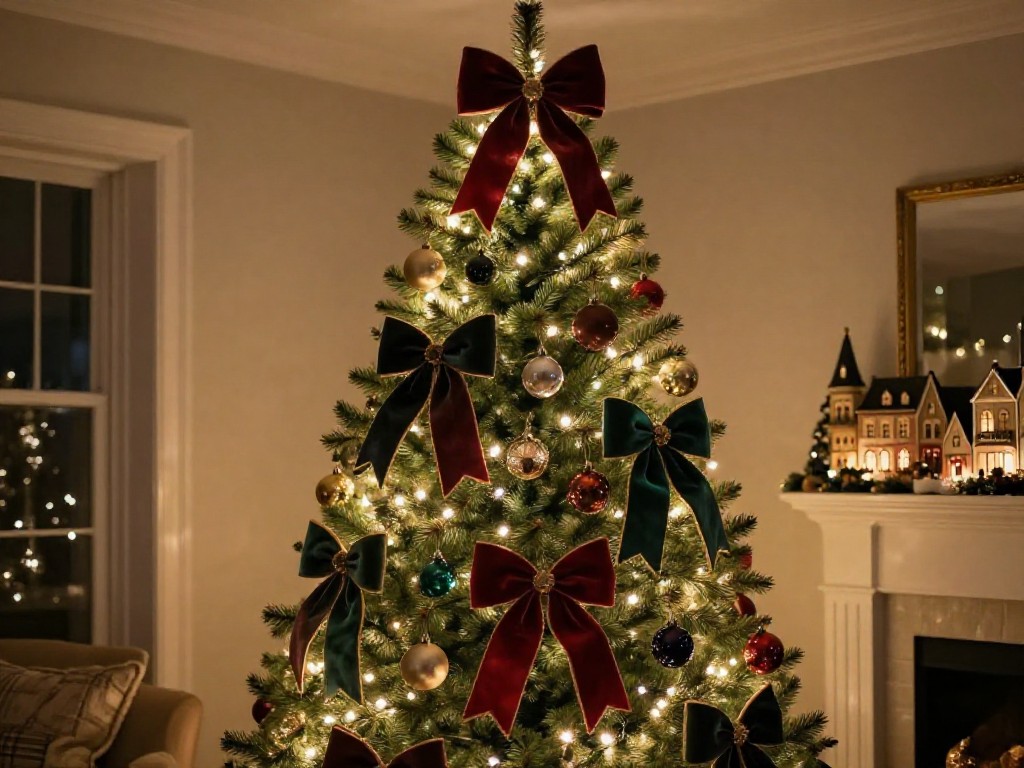
If you're searching for the best Christmas tree ideas 2026 has to offer, you're in the right place. This year's trends blend nostalgia with bold self-expression, from oversized bows to rich jewel tones and whimsical themes. Whether you're drawn to classic red and gold or a maximalist Kitschmas look, the key is choosing a style that reflects your personality and fits your space. In this guide, we'll walk through the defining trends, designer themes, practical sizing advice, and decorating techniques to help you create a tree you'll love all season. For more seasonal inspiration, explore our How to Disguise a Pumpkin: No-Carve Character Ideas for Kids.
Christmas Tree Ideas 2026: Setting the Scene
Begin with the ornaments you already own. Lay them out, choose a main color family, and pick one focal element such as a statement bow or a favorite set of ornaments. Repeat that element around the tree so the theme looks connected; you do not need to combine every trend. Before buying extras, measure the available floor space and ceiling clearance with the stand and topper included. Choose a location that leaves exits clear, then decide whether the tree should look balanced from all sides or mainly from the doorway. This gives you a useful shopping list rather than a collection of unrelated decorations.
Key Trends Shaping 2026 Trees: Bows, Tinsel, Jewel Tones, and Nostalgia
Several standout trends are defining Christmas tree decor in 2026. First, bows are bigger and bolder than ever. After dominating interiors for years, bows are now statement pieces—oversized, patterned, and often double-layered with two-tone colors. They're no longer limited to tiny tree decorations; you'll see them as tree toppers, on garlands, mantels, doorways, staircases, and even the backs of dining chairs. Second, tinsel is staging a glamorous comeback. Inspired by the return of lametta—delicate metallic strands once draped over trees—retailers are reinterpreting tinsel for a playful yet elevated look. M&S, for example, offers a shimmering tinsel tree skirt that adds festive sparkle. Third, rich jewel tones are taking center stage. Vivid fuchsias, teals, deep blues, and purples create a bold, saturated look that feels warm and visually abundant. This palette works beautifully with moody lighting and velvet textures. Finally, nostalgia is a driving force, with miniature Christmas villages taking over mantels and console tables. Illuminated buildings, tiny figures, and snow-covered scenes transform spaces into magical winter displays. Together, these trends encourage fearless layering and a sense of joyful excess.
Designer Themes: Nutcracker, Gingerbread, Classic Christmas, Storyville, and Winter Woodland
For those who want a cohesive look, designer-inspired themes offer a clear direction. The Nutcracker theme combines classic whimsy with a bold new twist, perfect for those who love traditional Christmas with a playful personality. It features bold colors and magical details that appeal to both children and adults. The Gingerbread theme is the sweetest trend of 2026, with oversized icing-inspired bows becoming the focal point. Place them throughout the tree, not just at the top, to create a professionally layered look. Classic Christmas remains timeless with red and gold, rich velvet ribbons, gleaming ornaments, berries, and traditional motifs. This style embraces everything people love about the holidays without chasing trends. Storyville is a whimsical theme inspired by storybook charm, featuring oversized florals, candy-inspired details, striped ribbons, whimsical characters, and unexpected pops of color. It's a favorite for families who believe Christmas should never take itself too seriously. Winter Woodland blends cozy cabin aesthetic with refined details, pairing deep chocolate browns and rich leather textures with unexpected shades of winter blue. Layer natural greenery with velvet ribbon, woodland ornaments, pinecones, feathers, and leather accents for a tree that feels collected rather than themed. Each theme offers a distinct personality, so choose one that resonates with your home and family traditions.
Choosing the Right Tree: Size, Shape, and Space Considerations
Before you decorate, you need the right tree. Start by measuring your space, including ceiling height and the footprint you can spare. A common guideline is to leave roughly 30cm of clearance between the top of the tree (including the topper) and your ceiling. For a standard UK living room with a 2.4m ceiling, that usually means a 6ft to 7ft tree. However, consider the shape as well. A slim tree, like a 6ft slim flocked option (180 cm tall and 79 cm wide), is ideal for corners or beside a sofa. A full tree, such as a 7ft full snowy tree (210 cm tall and 145 cm wide), makes a grand statement but needs generous space. For smaller rooms, a 5ft tree (150 cm tall) can hold its shape better than a squeezed 7ft tree. Tabletop trees, like a 90cm pre-lit flocked tree, are perfect for small flats or as a secondary display. Also, decide between real and artificial. Artificial trees offer convenience and reusability, while real trees provide natural scent and charm. If you choose a flocked tree, buy one with the finish built in rather than spraying it yourself, and keep it away from heat sources to preserve the flocking. Finally, consider pre-lit options to save setup time and ensure even lighting.
Decorating Techniques: Layering, Lighting, and Ornament Placement
Gather suitable tree lights, ornament hangers, your chosen ribbon or garland, ornaments, and a topper compatible with the tree. Check the tree and light manufacturers’ instructions before setup. The order below lets you adjust the underlying layers without taking every ornament off again.
- Set the tree securely in its stand. Shape an artificial tree according to its instructions, and settle on its final position before decorating.
- Inspect the light strands and discard any with damaged wiring. Test them before hanging, unplug them while arranging, and follow the label limits for connected strands. Keep cords out of walking routes.
- Arrange lights around the tree, checking the view from the room as you go. If it is pre-lit, follow its setup instructions instead of adding strands automatically.
- Add ribbon or garland before ornaments. Repeat the same ribbon in several areas and leave some greenery visible rather than covering every branch.
- Hang larger ornaments on branches that support their weight, then fill visible gaps with smaller pieces. Distribute colors around the tree and avoid placing all the heavy decorations on one side.
- Secure the topper as instructed, step back to check the whole arrangement, and move individual ornaments to balance crowded and empty areas. Keep decorations away from light fittings and electrical connections.
Styling Beyond the Tree: Entrances, Mantels, and Outdoor Spaces
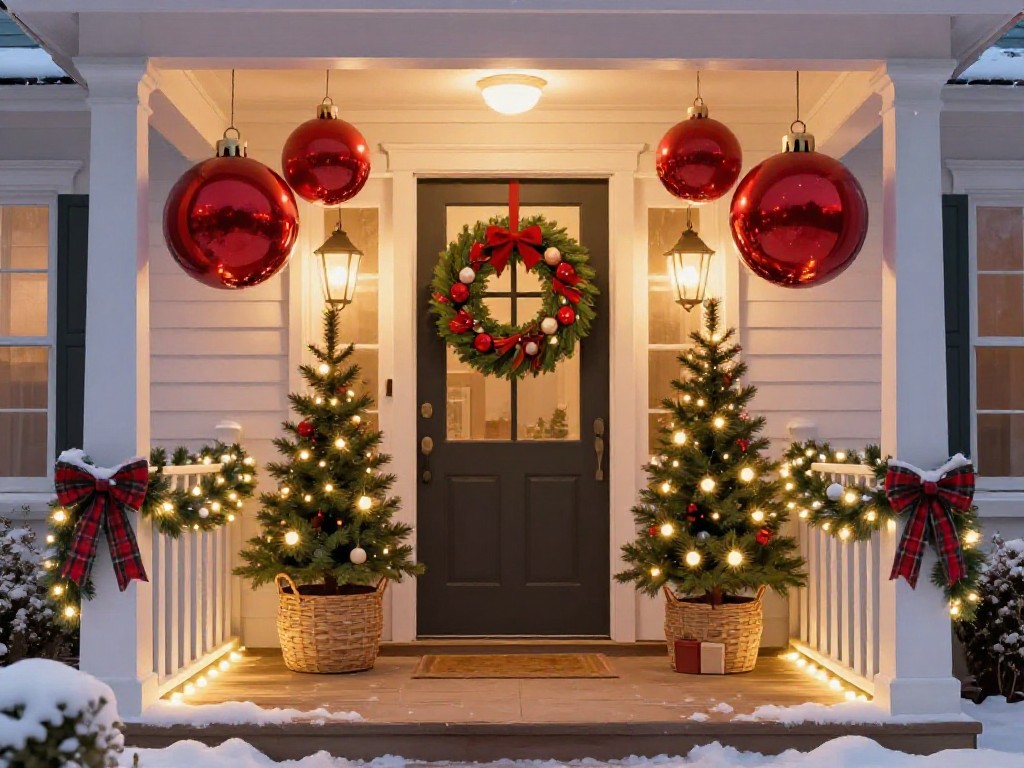
Your Christmas tree is the centerpiece, but extending the style to other areas creates a cohesive home. Christmas entrances are becoming bigger and more theatrical for 2026, with oversized decorations creating impact before guests step inside. Giant glossy baubles, tartan bows, bell clusters, and supersized paper decorations can transform porches and doorways. For outdoor spaces, consider glowing pathways, illuminated trees, and sparkling wreaths. Even small spaces like balconies can be styled as an extension of the home with warm white lights and a statement piece. Indoors, mantels are prime real estate for miniature Christmas villages—illuminated buildings and snow-covered scenes add nostalgia. Console tables and windowsills can also host these displays. When styling your entrance, frame your front door first: stand each tree in a woven basket to hide the pot, run a simple garland along a bannister or console, and stick to one light color throughout the hallway. For outdoor electrical items, ensure they are rated for outdoor use, and peg down inflatables properly. A considered approach—one or two focal moments rather than clutter—will make your whole home feel festive.
Practical Tips: Setup, Storage, and Maintenance
For a real tree: water it daily and keep it at least 3 feet from fireplaces, radiators, heaters, candles, and heat vents. Keep exits open, and unplug tree lights before leaving home or going to bed. Remove the tree when it dries out, following your local collection or disposal guidance; a dry tree should not stay indoors as decor.
For an artificial tree: follow the manufacturer’s setup, cleaning, and storage instructions. Unplug lights before taking it apart. Remove fragile ornaments first, pack them separately, and label the boxes by theme or room so next year’s setup is easier. Let any damp decorations dry before packing, protect the light connectors, and avoid crushing branches under heavy storage boxes. Store the components in their original packaging or an appropriately sized protective bag.