
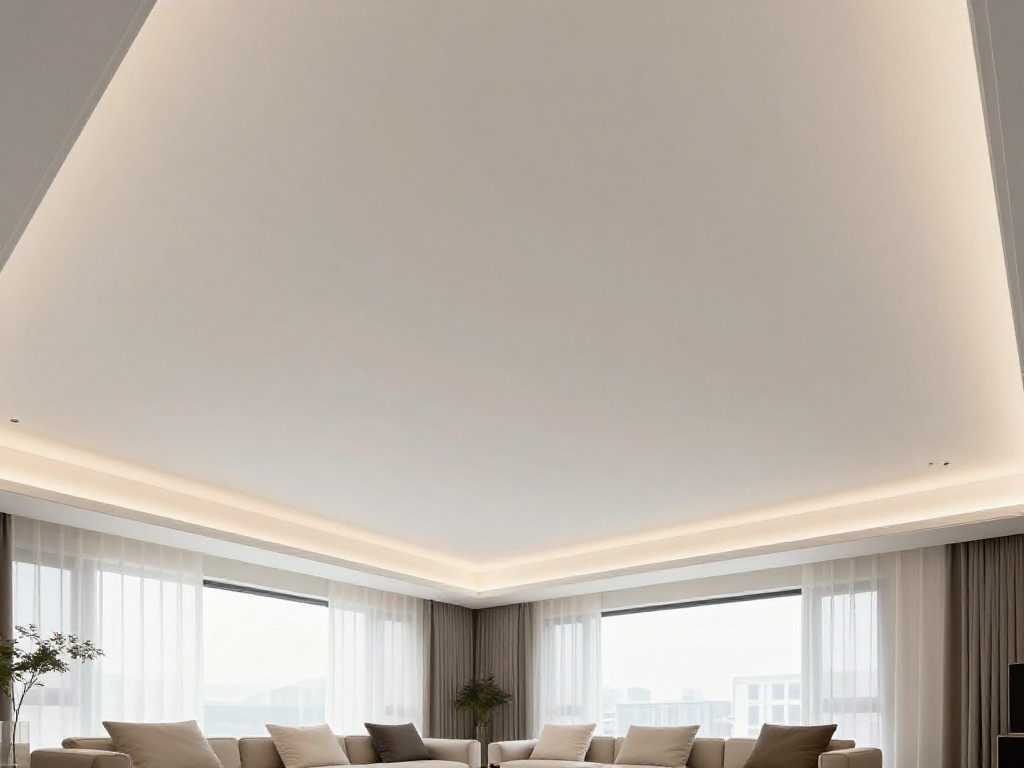
A fabric ceiling can transform an ordinary room into a space with softness, light, and acoustic comfort. Unlike traditional painted drywall or rigid panels, a fabric ceiling uses a textile-based membrane tensioned within a perimeter track, creating a seamless, modern surface. This guide explains what a fabric ceiling is, how it compares to other materials, and what to consider for design, lighting, acoustics, and installation.
What Is a Fabric Ceiling?
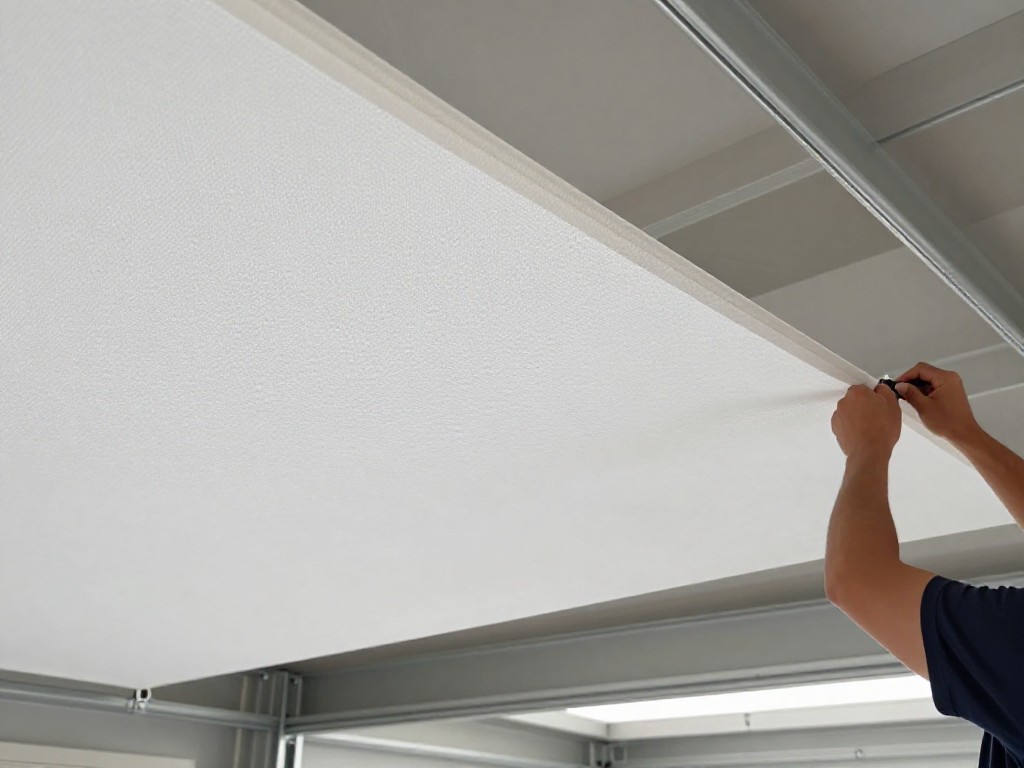
A fabric ceiling is a ceiling system that uses a textile-based membrane secured within a perimeter track. Many fabric systems are manufactured from polyester-based material with a protective coating that provides dimensional stability and a smooth architectural finish. The membrane is tensioned to create a continuous surface, often installed below or across an existing ceiling structure.
The term 'stretch fabric ceiling' is commonly used when referring to fabric-style or textile-based ceiling applications. However, not every stretch ceiling uses textile fabric; some systems use different membrane and technical solutions depending on the intended application. This makes it important to choose the right ceiling system according to the room's design, lighting requirements, acoustic needs, environmental conditions, and overall project specifications.
Fabric ceilings offer a distinctive alternative to conventional ceiling finishes and traditional PVC stretch ceiling systems. Their soft, textile-like appearance can add visual warmth and architectural depth while supporting a wide range of design applications, including integrated lighting, acoustic solutions, custom printing, and complex ceiling shapes.
One of the most recognizable characteristics of a fabric ceiling is its subtle textile finish. Compared with highly reflective ceiling materials, fabric surfaces can create a softer visual effect that complements natural materials, decorative lighting, wood, stone, metal, and contemporary furniture.
Fabric Ceiling vs. Other Ceiling Materials
When choosing a ceiling material, it helps to compare fabric ceilings with more traditional options. POP (Plaster of Paris) ceilings allow intricate detailing, curved patterns, layered borders, and creative shapes. They are lightweight and ideal for decorative false ceilings with integrated lighting. Gypsum board ceilings are known for smooth finishes and quick installation, providing clean lines, fire resistance, and easy integration of lights and vents. Wooden and wood-effect ceiling panels offer warmth and elegance, with wood-effect panels providing durability and low maintenance. Metal and PVC ceiling solutions are sleek and contemporary, with PVC panels being moisture-resistant, cost-effective, and suitable for kitchens and bathrooms.
Fabric ceilings stand out for their seamless, textile finish and design flexibility. They can be installed with minimal disruption, making them particularly useful in renovation projects or interiors where achieving a clean architectural appearance is important. Unlike rigid materials that may require painting or finishing, fabric ceilings come in a variety of colors, textures, and finishes, including matte, satin, gloss, metallic, translucent, and printed options.
While fibre ceilings (such as mineral fibre or PVC fibre) offer budget-friendly elegance and sound absorption, fabric ceilings provide a distinct aesthetic with a softer, more refined look. They can also accommodate integrated lighting, acoustic treatments, and custom graphics, making them a versatile choice for both residential and commercial spaces.
Design Styles and Finish Options
Fabric ceilings offer a wide range of design possibilities. The membrane can be specified in various finishes: matte for a subtle, contemporary appearance; satin for a softer reflective finish; high gloss for a more dramatic visual effect; metallic for distinctive decorative interiors; translucent for illuminated ceiling designs; and printed for customized graphics and artwork.
A fabric ceiling does not have to be a simple flat surface. Modern systems can be used to create curves, waves, geometric patterns, illuminated features, and other customized shapes. This flexibility allows designers to tailor the ceiling to the room's architecture and purpose.
For those seeking a luxurious look, fabric ceilings can be combined with plush fabrics such as velvet or silk to create tailored, uniform lines with style. Ornate ceiling treatments have been used for centuries to add grandeur and elegance, as seen in historic landmarks like the Palace of Versailles and the Metropolitan Opera House. Today, fabric ceilings can achieve similar effects with modern materials and installation techniques, though the specific outcome depends on the system and design.
Printed fabric stretch ceilings are particularly useful when the ceiling needs to become part of an interior design concept rather than simply provide a neutral background. They can feature graphics, artwork, patterns, branding, or decorative imagery, making them ideal for retail environments, exhibitions, and custom residential projects.
Lighting Integration for Fabric Ceilings
Lighting is one of the most versatile applications of a fabric ceiling. A translucent membrane can be positioned in front of LED lighting to create a soft, evenly illuminated surface. The membrane acts as a diffuser, helping distribute illumination across a larger area and creating a visually clean luminous surface.
A backlit fabric ceiling can function as both an architectural finish and a major lighting element, reducing the visual dependence on conventional fixtures. Depending on the design, lighting can be used as a subtle background element or as the main architectural feature of the ceiling.
When integrating lighting, it is important to ensure the lighting system is properly engineered to achieve uniform brightness. Translucent fabric can diffuse LED illumination, but the placement and type of LEDs must be carefully planned to avoid hotspots or uneven light distribution.
Fabric ceilings can also accommodate other lighting designs, such as cove lighting hidden within the ceiling to create indirect illumination. This softens harsh light, adds warmth, and gives interiors a calm, hotel-like ambience without overwhelming the décor. Integrated LED lighting along the edges of a tray ceiling can enhance dimension, making living rooms and bedrooms feel elegant and spacious.
Acoustic and Functional Benefits
Certain fabric stretch ceiling systems can be specified for acoustic applications. Their effectiveness depends on the selected membrane, supporting construction, and acoustic materials installed behind the visible surface. This makes fabric ceilings a viable option for spaces where sound absorption is important, such as offices, restaurants, and home theaters.
In addition to acoustics, fabric ceilings offer functional benefits. They generally require limited routine maintenance. Cleaning methods depend on the specific membrane and manufacturer recommendations, so harsh chemicals or abrasive materials should be avoided unless explicitly approved for the product.
Fabric ceilings can also help conceal existing ceiling imperfections, wiring, and ductwork, providing a clean, finished look. They are suitable for renovation projects because they can be installed without major demolition, reducing downtime and waste.
Furthermore, fabric ceilings can contribute to temperature control and comfort when combined with appropriate insulation and backing materials. While not a primary insulation solution, they can complement a building's thermal envelope.
Installation and Maintenance Considerations
Verify the remaining project-specific details before starting.
Where Fabric Ceilings Work Best
Fabric ceilings are versatile and can be used in various settings. In residential spaces, they can enhance living rooms, bedrooms, dining areas, and hallways with a soft, modern look. They are particularly effective in rooms where a seamless, uncluttered appearance is desired.
In commercial environments, fabric ceilings can provide offices with a clean architectural finish while accommodating lighting, ventilation, speakers, and other ceiling systems. Projects with specific acoustic requirements can incorporate specialized acoustic ceiling assemblies.
Retail environments can use fabric ceilings as part of the overall brand experience. Integrated lighting, printed graphics, custom shapes, and large ceiling surfaces can help create visually memorable interiors while maintaining a clean appearance around technical systems.
Exhibition spaces can benefit from fabric ceilings as a restrained architectural background, allowing lighting and other technical infrastructure to be carefully integrated into the ceiling design. Museums, event tents, and ballrooms often use fabric ceiling treatments to define and decorate the space, creating ambiance and elegance.
Fabric ceilings may be suitable for renovation projects, but installation over existing ceilings depends on the system and site conditions. Support structures, retrofitting, and coordination with building systems may be required, so a professional assessment is recommended. They can be a practical choice for both new construction and retrofits when properly specified, offering design flexibility and functional benefits.